



Below you’ll find the transcript for episode 101, A Surprising Shift: Gen Z, Faith, and the Future of Women’s Ministry, from the Women’s Ministry Toolbox Podcast.
A Surprising Shift: Gen Z, Faith, and the Future of Women’s Ministry
Cyndee Ownbey: Ladies, I am very excited for today’s podcast episode. I have a special guest here with me. Her name is Cicely Corry, and she is the editorial director at Barna Group. And she has some important information about Gen Z, those young women that you’re trying to reach, that I think is going to be so helpful for you today. Cicely, thanks so much for being here.
Please note: This post contains affiliate links.
Cicely Corry: Thank you for having me.
Cyndee Ownbey: Absolutely. Would you start by telling us just a little bit about yourself and what you do?
Cicely Corry: Well, I am editorial director at Barna Group, and that is a fancy way of saying that I help the research firm turn numbers into really fun actionable stories. Well, sometimes they’re not so fun, but they’re certainly eye-opening. I’ve been at Barna for about four years now. Prior to that I worked a lot in nonprofit sectors, working for Christian nonprofits, and so I’m a journalist through and through. I love to tell stories.
I’m a mom. Have two beautiful boys and I’m also married. I live in Charlotte, and, you know my husband and I, we actually lead youth ministry at our church. And so this Gen Z research really hits home for me as a matter of fact, some of what we’re seeing in the data I’m seeing in my own church.
And so you know, just really glad to be here with you and happy to share what we’re learning about this generation.
Cyndee Ownbey: I am a Barna fan. I love the research and the statistics and digging into it, and it actually something that Barna posted had caught my eye before your assistant reached out to me.
It was already on my mind that we’re not doing a great job of reaching those young women. And we’re going to get into the stats specifically in a minute, but before we do, would you tell us exactly who is Gen Z?
Cicely Corry: Well, there are a lot of age ranges out there. For the sake of our research, it’s from ages 13 to 24. So teenagers all the way up to like 20 somethings at young adulthood age. And this is a generation, they’re digital natives, so they’ve never known, a world without the internet. And that affects them in a variety of ways, but that’s the general age range. And in some of our research we group them together as Gen Z, but in this latest research we actually separate them into teenage Gen Z and young adult Gen Z. So 13 to 17 and then 18 to 24.
Cyndee Ownbey: Okay. So the young women we’re trying to reach in the church and those that are coming up next that hopefully will be joining us at our women’s ministry events.
Tell us what did you specifically discover about those female Gen Zers?
Cicely Corry: Well, we’re seeing that female Gen Z are outpacing young men in leaving the church. Female Gen Z, ages 18 to 24, especially that sort of young adult group of young women 38% of them don’t identify with a faith. And then that’s 28% with amongst teens.
We also see that their church attendance is lowering as well. And this is like a big shift in what we have been learning at Barna or we’ve been seeing over decades of research comparing men and women. And it’s something that we’re watching.
It used to be that women of all ages were sort of leading the way in spiritual formation and faith formation of their family in church attendance and church engagement, all of that. But now we’re seeing that men and when we’re looking at, especially at Gen Z, that young men are outpacing young women and it really is something that should cause alarm should cause, action from church leaders today.
Cyndee Ownbey: Yeah, that was startling to me. That was the statistic that I saw because I know historically for years we’ve said there’s more women in the church. There’s more women in the church.
To see that shift is alarming, I think. Definitely need for concern. So I’m curious, do you have any idea why this is happening?
Cicely Corry: This is a shift that is just now starting to happen so these are the questions that we’ve got to be asking going forward. Why are you disengaging? Why are you not affiliating? Why are you, you know, not believing in God?
And so right now we don’t have definite answers, but we certainly have, some educated guesses that we can make based on what we know in other areas. And one of those for sure is the pandemic. You know, COVID-19, the pandemic affected people in a variety of ways, but it certainly set off a loneliness epidemic that we’re still dealing with the effects of today. And it could be that young women are still sort of grappling with the reality of that. Okay, life as usual has sort of restarted it’s time to re socialize. It’s time to get back out there and engage with other people. And it could be that young women are responding to that in a different way than young men or that the pandemic sort of affected them in a different way.
And there’s another thing though that I think the church can start to ask questions about. And that is the troubling number of Christian ministry leaders who have been called out publicly for sexual sin. It could be that young women don’t see church as a safe place. You know, they don’t see it as a place where they may be respected and valued and up upheld in a way that God would value and appreciate. And so those are two that sort of stand out that we can sort of keep an eye on. But the reality is that it’s happening. Some of it may be spiritual, some of it may be practical.
We know that women they’re doing a lot of the household activities. They’re overwhelmed in a lot of areas, especially mothers. And so we could see that there’s a little trickle down happening there as well with how young women are engaging.
Cyndee Ownbey: That’s really interesting.
It makes sense that maybe they feel like it’s not a safe place. We have kids that fall into those age groups and we were doing college during Covid years. And I know that that’s definitely had an effect on young women and their rate of engagement and getting back into in-person community again. I’m glad that you pointed those out.
I’m wondering, can we talk a little bit about what we know about Gen Z spiritually? What are they open to? What are they thinking?
Cicely Corry: So Gen Z is certainly a spiritual but not religious generation. They’re very open generation. They are open to a lot of things. They’re open to people who are different or may carry different beliefs in themselves. They want to engage in those types of conversations. They’re very curious, very inquisitive generation. A cause driven generation as well. But this sort of inspires how they engage in faith.
And we do know that they have these sort of Christian adjacent beliefs. 73% of Gen Zs say they believe in God are a higher power so that’s something. But we also see that their church attendance and church engagement are not alongside that belief in God. And so you have a generation that says that they pray, you know many times during the week that they’re praying and they’re engaging in spiritual things, but it may not be rooted in some of the more traditional Christian beliefs that Christians would do in order to live out their faith. So that’s an opportunity for the church to say Hey, what is it that you believe? What is it that you’re curious about? What is it that is sparking that belief? And then how can we root that in some biblical principles and walk alongside Gen Z to help them to root their faith in biblical foundation.
Cyndee Ownbey: Do you have any specific suggestions for women’s ministry leaders on how they might do that?
Cicely Corry: Well, I think one big thing is that for all Gen Z, but certainly female Gen Z as well, it’s just to meet them where they are spiritually. And engage in their curiosity. And so that is allowing space and opportunity for them to ask tough questions about suffering in the world. And, you know why bad things happen in the world. And have you ever doubted your faith? Well, what if there is no God? Why am I here? What is my purpose? What should I be doing? Does God love me? Does He like me? These are all questions that Gen Z is asking and all of them are spiritual questions. You know, no matter how you cut it, all of those things have a spiritual answer that is in scripture and a spiritual answer that can be grown and developed in community.
And so I would first recommend meeting Gen Z, male or female, where they are, and not taking the approach of here’s what I know, but asking them, what would you like to know? What do you think?
We’ve got some spiritually open research that we did. And one thing that we notice that atheists and agnostics want out of spiritual conversations with Christians is they want them to listen.
And I think there is something to be said about having a conversation or building a relationship with someone where it doesn’t seem one sided, where there is listening and giving and receiving, and even a mature Christian, being open to learning from someone who is younger than them about the world that we live in and how they interpret it.
Cyndee Ownbey: As you were talking, I was just thinking about how powerful it could be if we invited some of these young women out for coffee. Yeah. Or lunch and treated them and just had a conversation to find out absolutely where they are and what they’re thinking about and not just expecting them to come to Bible study where, let’s be honest, a lot of Bible study is just being talked to. It’s not really always a place where we can come with questions. There’s usually a guide that needs to be followed, and if there are questions, the discussion is pretty tightly focused, and we may not always have time to address the questions that young men and young women have about spiritual things.
I really like that you pointed out that we need to be good listeners and we need to ask good questions.
Cicely Corry: I love that you pointed out that it’s going to require us doing things outside of the church. I think we’ve got to reimagine as a church, big C, we’ve got to reimagine community, you know, beyond Sunday services because that’s not where Gen Z is engaging. They’re engaging out in the marketplace, out in the world. And so go where they are to start to build relationships and then start creating a welcoming environment where they will want to come through a church door.
Cyndee Ownbey: Absolutely. Great points. Leaders that are listening right now, maybe this is the Lord just giving you a little bit of a nudge that this is an area where you could be doing some outreach and , building some intentional relationships, having some intentional conversations and trying to understand what they think about God, what they believe, but also being willing and able to share the truth with them. We know what that is, and that’s what matters more than anything else, is that they come to that point that they understand what is true and what is not.
Cicely Corry: Yeah, absolutely. Just as a reminder to those that are listening is that, you know, it doesn’t have to be complicated. Don’t overthink it and don’t think that your answers have to be poised and fully thought-out well-crafted answers to the questions that young people are asking.
More than anything they want you to be authentic and they want you to be honest about where you are and what you know and what you don’t know, and be willing to say, you know what, I don’t have the answer for that, but I’m going to find the answer and I’m going to follow up with you. That’s just a little bit of encouragement that even if you’re listening and you’re like, well man, I don’t know what an invite to coffee might turn into, well, you can, start to just take the first step and watch how that relationship starts to build just because you extended an arm in their direction.
Cyndee Ownbey: That’s a great reminder and I’m so glad you said that because I think it’s great when they hear we don’t have all the answers. For us to be able to say, you know what, I don’t know the answer to that, but I’m going to find out and get back to you. And that gives you a reason to also follow up and to continue the conversation or let me do some research. Let me talk with my pastor, see if I can find some answers. Can we meet again next week or two weeks from now for coffee? And then that’s also continuing the relationship and it’s not just one time.
What are some things that women’s ministry leaders could offer in their church that would draw in some Gen Z women?
Cicely Corry: Mentorship. I think learning from one generation to the next. Now that could look like a variety of different things. It could look like a sourdough class or a baking class. It could look like a variety of interesting non-spiritual things that could form a general interest from a young woman.
And you think about some of the things that people may be dealing with loneliness, feeling like they don’t have a friend, feeling like they are alone in fill in the blank. I think that if you have a program or some sort of initiative at your church that speaks to a need that they have or speaks to an interest that they have that’s a way of building a bridge to say this is not a church service, this is not a Bible study, this is where you will come and meet Christ focused, Christ-centered people. And this is where you can form connections with people who have lived a little bit more life than you and can give you advice and can show you the ropes of whatever industry you might be trying to enter into, or wherever you may be experiencing a little bit of anxiety.
Maybe you’re a young mother and you’re able to meet a mom who has five kids or grandkids, and it’s like, well, I see that they got through it and I see they’re sharing the stories that sound familiar to what I’m going through right now and it resonates deeply.
But I think opportunities for mentorship and simple practical engagement are very good ways for the church to start to welcome women in and foster these relationships. But it’s got to be intentional. And I do think that leaders could also help to walk alongside those who are trying to mentor.
So one example that a church that I interviewed a while back, one thing that they do they have dinner parties. And essentially they’ve got a gym at their church and they line up all their tables in the middle of this one big, long table family style dinner that takes place. When everyone sits down, there’s a place mat that has questions that you can ask the person that’s sitting next to you or sitting across from you, and it takes the nerves out of it. Oh, what am I going to say? What am I going to ask? It can happen naturally, especially if leaders take just even small steps to help prepare people for what they’re walking into.
Cyndee Ownbey: I like that idea. That’s fun. Yeah, and everybody needs to eat. Everybody’s got to eat. A meal is an easy thing to be able to do.
And I love what you mentioned about sourdough earlier. We just had a conversation around our women’s ministry team table. The last time we met one of the younger women on the team, she’s not quite Gen Z, but she was asking if anybody had a mill to mill flour because she wants to mill her own grains for her sourdough that she’s making. And then a couple people were like, no, but I know two women in the church who do. And we sort of jokingly, but sort of seriously said, maybe we need to have some workshops. It’s not something that we’ve done at this church that I’m at to my knowledge, we’ve been there about five years. I think that would be a really good thing to offer. I mean, obviously we can tie it in and do a short little devotional. You know, something maybe about Jesus is the Bread of life.
Cicely Corry: I mean, oh my goodness. Can see how easy and obvious is that one to give. Yeah. And sourdough, you’ve got to tend to it. You know, there are things. It’s about cultivating. Oh yeah. Oh man. There are lots of Bible lessons in there. Yeah. At the sourdough ministry, it’s a thing. It should be a thing.
Cyndee Ownbey: Yeah, and I mean, how sweet would that be? Just to be working alongside of each other and learning how to do that. Ladies be thinking creatively about ways in which you can engage those young Gen Z women outside of the typical tea parties and Bible studies.
And not to say that they won’t come and don’t have interest in that, but I think that this is an area in which we could probably all stretch ourselves and grow a little bit.
Cicely Corry: Absolutely.
Cyndee Ownbey: It seems like I was reading something in the statistics that Barna has about Gen Z being interested in serving. Is that true, Cicely? Do you know?
Cicely Corry: Gen Z, they’re very cause driven.
So find out some of the things that they care about, some of the causes that they’re really passionate about, and see if there’s a local nonprofit or organization that you can partner with that that works in that area. That could be another way of walking alongside them is they do something that really tugs at their heartstrings.
I’ve interviewed a church before that they have a garden ministry. And similar to sort of the sourdough thing, you know, there are biblical lessons that can come naturally without going into scripture and opening up a Bible where young people can start to see biblical principles that are lived out in nature, that are lived out in how we take care of things, and how we watch things grow, and how we go at something together.
Cicely Corry: If you’ve ever done anything in gardening, you know it takes more than one person to do it. We’re all out here working together and sweating together and in the heat, but we get to see the end result of that. And I think it’s a lesson that can be beneficial to both younger Christians, those outside the church, those in the church, older Christians. It’s something that benefits the entire church. Just having a joint effort that can be for the community, in the community, serving the community, but also a part of what makes the church body unique.
Cyndee Ownbey: I like that. Yeah, I can, I can see a lot of gardening going on, whether it’s planning flowers around your church property, or maybe you have a school that your church has adopted.
What a beautiful thing that would be to spend a Saturday morning, a few hours putting some flowers in the ground for them to enjoy. But you also get that chance to put your hands in the dirt and, and it might just come up casually in conversation too. People are talking about how the Lord has grown them, how He’s, He’s cultivated the soil of their lives kind of a thing.
So as we’re thinking about spiritual things, I’m wondering what else can you tell us about Gen Z spiritually? Are there some things that would be helpful for us to know or ways in which we could grow and encourage their spiritual growth? You mentioned earlier that they are pretty big on prayer, which is great to hear.
That’s fantastic. But what do you know besides their interest in prayer?
Cicely Corry: Learning about Jesus is something that they want to do that many Gen Z, regardless of their faith, say that they want to do throughout the rest of their life. So there’s this general intrigue amongst Gen Z in Jesus, in the person of Jesus. Now their beliefs and like what they believe about Jesus and how they view Jesus now, those are things that, it’s up to the church to start to like really ground those again, ground those beliefs in scripture and in Bible. But there is an interest in Jesus that Gen Z has.
And so I think that that gives us an opportunity to start having conversations, Easter’s coming up, it’s not just talking about the love of Jesus. Absolutely, that’s a beautiful thing, and that’s the embodiment of Jesus and what He did for us. But it’s also about starting to get a grasp on where a young person is in their beliefs in Jesus. What is it about the person of Jesus that intrigues you? Is it His care for other people? Is it His compassion? Is it His love for other people? Is it His works, His acts, His miracles? What is it? And then take that and make it a starting point for, you know, deeper conversations beyond that.
Cyndee Ownbey: Oh, I like that. There’s so much to learn about Jesus and understanding the Trinity and who He is in that, and so many different places we could take those conversations. And again, just a reminder, you don’t have to have all the answers to those questions, there are people, especially your pastor or other women in the church that can help you find those answers when they come up so don’t let those in intimidate you.
That’s encouraging. I’m thrilled to hear that they are interested in prayer and that they have interests and questions about Jesus, and we want them to find the answers in our local churches. We don’t want them just to find them on TikTok or the Internet or anywhere else that they’re searching because there’s a lot of misinformation about Jesus out there. We want to make sure that they do get the correct information. We have an opportunity to share that with them.
Cicely Corry: Absolutely.
Cyndee Ownbey: I’m wondering what advice would you give to a women’s ministry leader that is trying to reach Gen Z?
Cicely Corry: Well, I mentioned earlier that I lead student ministry at my church with my husband and what we’re seeing in the data now where young women are starting to disaffiliate and not attend church as much. We’re actually seeing that in our youth group right now and seeing that trickle out outside of our youth ministry.
One thing that I would say, and this is sort of anecdotal to me, is that I had to begin to understand the home life that many of these teenage women were dealing with. Where their homes were not as rooted as I thought they would be, or not as peaceful as I thought they would be. Nothing, you know worth calling the police, nothing like that, but I’m saying like there are things that are happening in our homes that we have to sort of account for that are showing up in church. So relational gaps, even practical, like everyday physical needs that are not being met and you just never know is the point that I’m getting to is that you never know what a young person is going through when they stop coming to church or when they don’t respond to your phone call or your message, or you’re fill in the blank.
Our church is in the suburbs. You would never think about some of the things that young people are facing today are very real things. They have a lot of anxiety about the world. They have a lot of uncertainty about how they show up in the world. There’s a lot of lack of self-esteem or self-assurance, and this is something that was probably heightened by the pandemic. This is the generation that you’re now engaging with. It’s not just a young person being a young person. It’s a young person, being a young person in the world that we currently live in.
Think about the pressures and anxieties and worries and things that you have to think through as an adult in the world that we live in right now, and then elevate that for a young person who’s still trying to process and figure out why they’re here and what they’re supposed to do. So there are a lot of compounded things that are happening for a young person that my recommendation would be to have a heart of compassion.
When you approach young people and genuine care for them, sometimes maybe even just asking the question of like, what do you need? How can I help you? And going beyond the general question of how are you doing? Because we, you know, we can answer that the way we all answer it. Good, fine, fine.
The, the way a young person would certainly answer it. But think about other ways to get at, how are you doing? You know? One, one way that I do that, I’ll say, how are you feeling on a scale of one to 10? Sometimes you’re, oh man, I’m at a eight today.
It’s like, oh, celebrate with them. Oh man. A eight. I’m at a six. I’m glad. Can I have some of your numbers? You know another thing that we do in our youth group that I think is helpful for young people to sort of process of thoughts in their minds is we call it roses and thorns. It’s a way of talking about something good in your week, something bad in your week, and then you figure out together how to make the most of whatever was thrown your way.
That was a whole lot of words to say that young people today are facing probably more things than you can imagine, and they may not be that deep to you, because you’ve lived a lot of life, but they’re very deep to a young person who hasn’t quite figured out how to process all the things that they’re going through, all the things that they’re trying to process themselves.
I think it’s a matter of showing care and compassion and figuring out a new way to ask the questions that we’ve always been trying to get answers to all along. What do you believe? What do you need? How are you doing? How can I help? There are other ways to get at the answers to that.
And it starts with a more relational approach.
Cyndee Ownbey: I appreciate that very much so leaders, that’s the challenge to you, is how are you going to more intentionally and more relationally reach out to those young Gen Z women in your church? And I would like to suggest that you start with prayer. Even if you do nothing else, prayer is mighty and powerful and these young women need your prayers, young men too. That’s a really great place to start and then maybe God will move on your heart and help you to know exactly how you can engage with them a little bit better, or ways that you can reach out.
And team leaders, I pray that you will find ideas from this podcast episode and, prayerfully consider how you might implement some of them in your church so that you can do some more intentional relationship building, but also with the understanding that these young people are looking for answers to hard questions.
So we don’t just want to have a bunch of fluff. We haven’t really talked about that Cicely, but I’ll let you comment on that here in a minute. They’re looking for depth. They want to know who Jesus is. And we need to be able to answer that . Do you have any thoughts, Cecily, before we go about young Gen Z women particularly and the depth of spiritual things that they’re looking for?
Cicely Corry: Well, we do know, that Gen Z Christians, 41% of them say that learning about Jesus is what they like most about going to church. So here’s that name again, Jesus, that’s coming up in conversation with Gen Z. And I think that that offers a little bit of encouragement because hearing a stat like the one that we talked about at the top of this podcast about female Gen Z, not believing in God, not attending church, disengaging in church.
I think that can be a downer if we allow it to be, but actually if you put that alongside some of the other things that we’re learning about Gen Z as a whole, it actually can be a motivator to say that this is a group that is just outside the church walls that we could really be engaging with.
I want you to be inspired by this interview. I don’t want you to be, you know, like downtrodden by it. I want you to be inspired by it because there is intrigue about God, there is openness about spiritual things.
There are spiritual practices that Gen Z is actually embodying and actually carrying out, and those are starting points. You know, if you see a dot for all of those, now it’s up to us to start connecting the dots and forming a path that leads all the way to Jesus and continuing to connect.
The dots, you know, it’s not just one path. Well, there’s only one path to Jesus. I’m not saying that, I’m saying there’s, there’s not just one way of reaching Gen Z and one way of leading them to Jesus. There are multiple ways to do that and multiple ways to talk about the truth of the gospel.
But be encouraged there are Gen Z Christians right now who want to keep learning. Mm-hmm. And then there are those who aren’t quite Christian yet, or maybe they are Christian, but they’re not a practicing Christian or they say that they have accepted Christ, but they’re not living that out in their lives.
And that is the “tag, you’re it” for everyone listening, you know?
Cyndee Ownbey: Thank you for that reminder. I love that you’ve said multiple times that they’re open. Mm-hmm. They’re open to spiritual things, they’re open to learning more. They’re open to relationships with other people, and that’s where the opportunity lies for us.
We don’t want to ignore this generation that is just beginning to enter women’s ministry doors. Or if you’re a leader and you do invite the middle school and the high school girls sometimes to your events, I hope that you’ll be encouraged to have good conversations with them when they’re there.
Don’t be afraid to ask them questions and just sit back and listen. Let them talk to you and find out what it is they do think about things and where they are spiritually, and be an encouragement to them. So Cecily, is there anything else that you want to make sure that we touch on before we go?
Cicely Corry: I feel like I didn’t fully answer your last question. I got sidetracked on the thought of Jesus, but in terms of the depth that Gen Z is seeking. I think of a better way of sort of stating that is the authenticity that Gen Z is seeking. Okay. They want a human view of what it means to follow Christ and live a Christian life.
They want the bumpy parts of that. They want the smooth parts of that. You know, and they want the, the in-between of that and not just the smooth parts, because then when the bumpy parts come for them, they’re like, well, you didn’t tell me about the bumpy parts. Like I, I didn’t think there would be bumpy parts.
I thought it would be all smooth because you told me it was smooth for you, and meanwhile it wasn’t so smooth for you and you just weren’t all the way forthcoming in the bumpy parts in your own journey. And I think that. Yeah, this is going to be the, that’s the podcast title, the Bumpy Parts. I think that if we lean more into the bumps in our spiritual journey and sharing those with young people who are living in a world where they scroll social media and see nothing but perfection. And see nothing but a clean aesthetic in their timeline of a perfectly curated picture. They need to see an authentic approach to our faith, an authentic approach to living out a Christian life and being the church.
And what does that really mean? I think it’s about us being for each other. Absolutely. But also being in and for the community that is surrounding the actual building of the church. I don’t think that there’s anything else I want to add. It’s more of like a go forth to those that are listening, that you have a generation that is, you know, it’s this prime opportunity to engage with them and to think outside the box, but don’t think too too much because you’ll think yourself out of doing the work and meeting them where they are.
Cyndee Ownbey: That’s a great point, how important it is to share our stories especially the messy and the hard ones because we know God promises there will be trials, there will be difficult times that we’ll walk through and what a benefit that would be for these younger women to hear how God has held us, He sustained us, He’s provided for us in those situations, it would be a great encouragement to them.
So women who are wanting to find out more about the research and the statistics and the information on Gen Z, where could they go, Cicely, to find out more information?
Cicely Corry: Barna.com is our website and Gen Z volume three is where all of this research is coming from. We’ve got a whole series on Gen Z. We’ve got lots of research on spiritually open, but Barna.com would be the place to go. @Barnagroup is the handle on social media platforms, but there are many resources on Barna.com.
There’s also a subscription called Barna Access Plus that gives like a digital library of most of Bara’s research reports. So if there’s anything Gen Z and beyond that we have done research on, you would be able to find it within Barna Access Plus.
Cyndee Ownbey: Thank you. I appreciate you sharing that. I think I had access plus for a while and it was a wealth of information.
There’s a lot of great stuff there, so if you’re somebody that likes to dig into the numbers or even just read through and hear what they found. One of the things I appreciate is that you guys are constantly doing new surveys and releasing new information. So you’ve got up-to-date stats where a lot of church research can be 10, 15, 20 years old.
I love hearing what’s going on right now. So this information that we’ve shared with you today, this is very recent. This is happening in real time. These are the young women who are walking away from the church essentially, who are not showing up in the ways that they have in the past. And I believe God has positioned each one of us in a place where we can hopefully Lord willing, make a difference in that so that we don’t continue this downward trend.
Cicely, thank you so much for being here today. I appreciate you taking this time to talk with us and share with us and challenge us. It’s been great. Thank you.
Cicely Corry: Thanks for having me. It’s been a joy.
Related links:
Barna site: https://www.barna.com/
Gen Z Vol. 3 Study: https://www.barna.com/gen-z-volume-3/
Barna’s Instagram Page: https://www.instagram.com/barnagroup/?hl=en
Barna Access Plus: https://www.barna.com/access/
You may also want to read:
Rethinking Fellowship: A Handbook for Hosting Meaningful Women’s Ministry Events
Bridging the Generation Gap: How to Engage Younger Women in Your Women’s Ministry
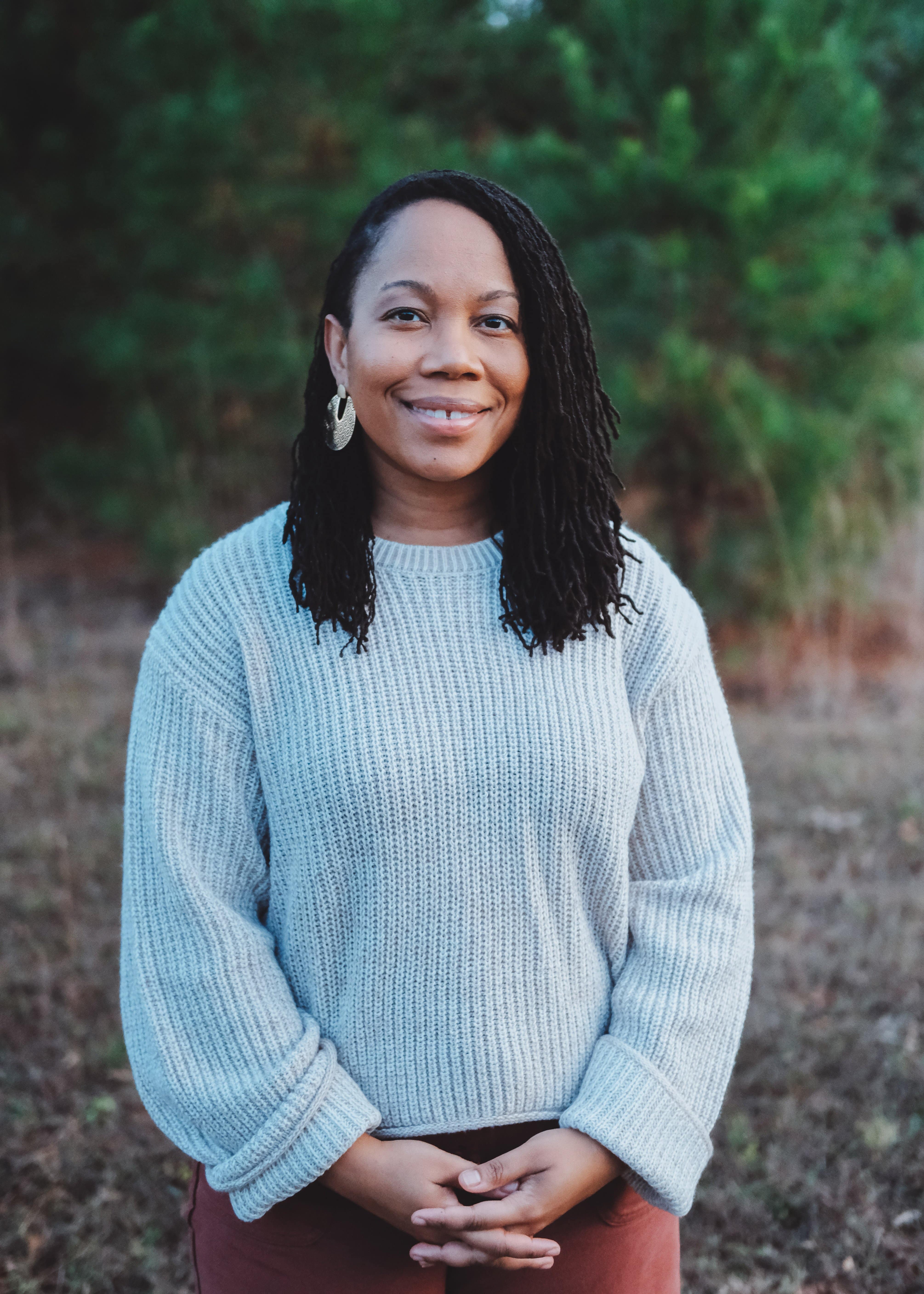
Cicely Corry
Editorial Director, Barna Group
Bible study community helping others understand, enjoy and apply God’s word. She holds a M.A. in journalism from Regent University and a B.A. in print journalism and marketing from Hampton University. Cicely is an Atlanta native now living in Charlotte, North Carolina, with her husband and two sons. Travel, red velvet cupcakes and farmer’s markets are a few of her favorite things.


I am 87 years old and working with the Seniors 60+. I learned so much from this podcast with reaching out to that age group as well. Talk and listen, build relationships, share more about JESUS and his love for us. It helped that we too could reach the younger women in our church who are struggling with life’s situations.
Dorothy, thank you for sharing this! Praying God will help you all to reach more of the younger women in your church.